
What is Peripheral Neuropathy?
Neuropathy refers to general diseases or malfunctions of the nerves. Nerves at any location in the body can be damaged from injury or disease. Peripheral neuropathy (PN) affects the nerves that supply the arms and legs and is often classified according to the disease causing it. PN can affect the autonomic nerves, motor nerves and sensory nerves.
Risk Factors Associated with Peripheral Neuropathy:
- Diabetes Mellitus
- Chemotherapy
- Alcohol abuse
- Vitamin deficiencies (emphasis on B12, MG)
- Infections (such as Lyme disease, shingles, Epstein-Barr virus, hepatitis C and HIV)
- Autoimmune diseases (rheumatoid arthritis)
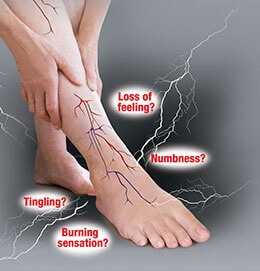
Symptoms According to type of nerve involvement:
- Sensory: tingling, pain, or numbness in the arms, hands, legs and/or feet.
- Motor: reduced strength and altered movement of the arms, hands, legs and/or feet.
- Autonomic: effects heart rate, blood pressure, circulation, pulses, and other functions.
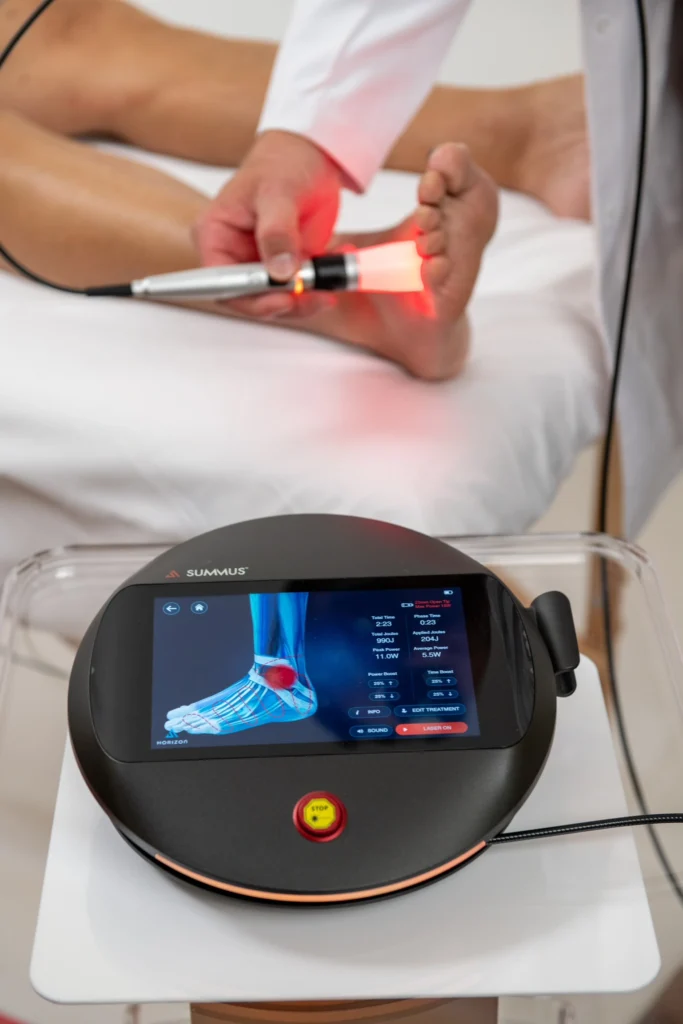
Treatment with Photobiomodulation (PBM)
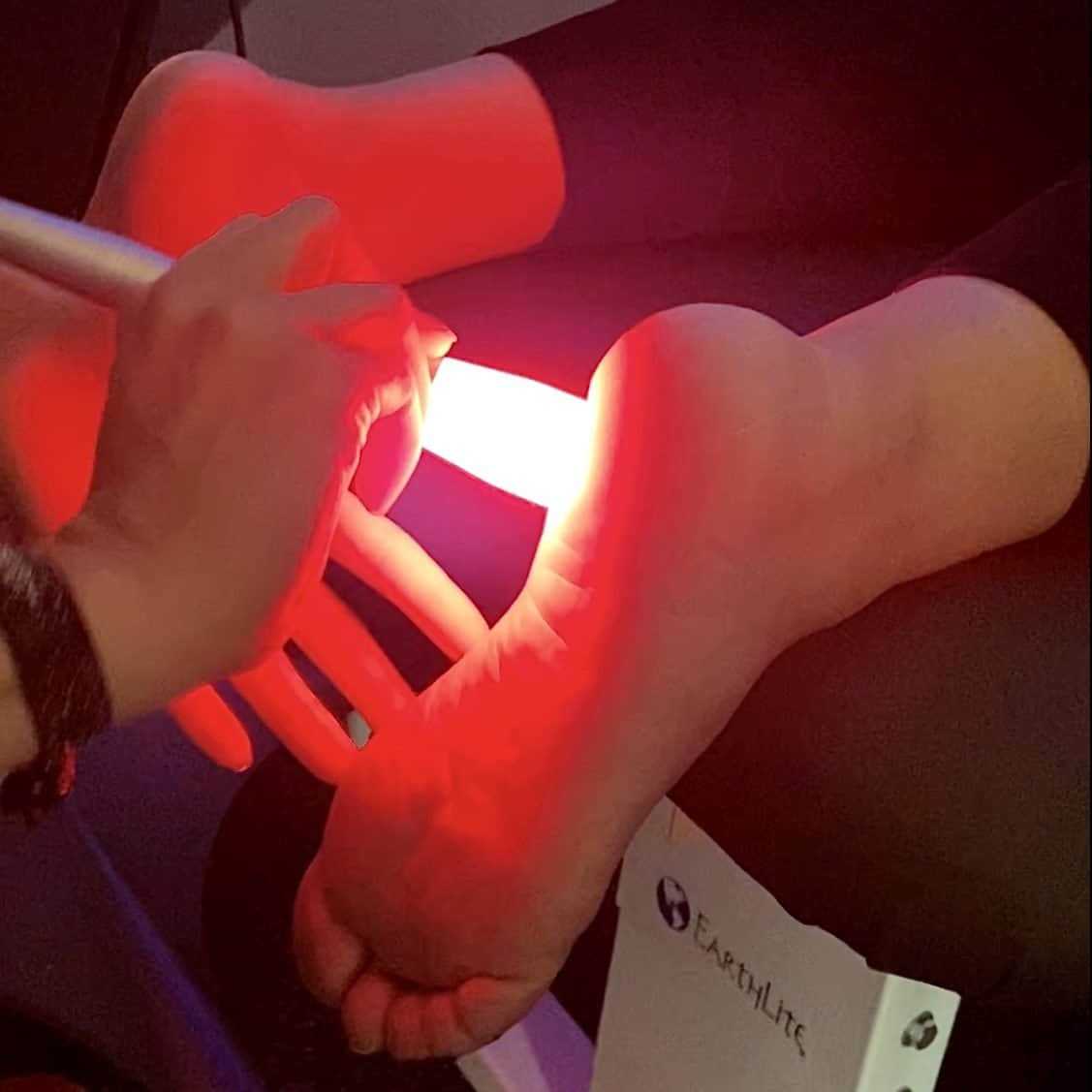
Infrared wavelengths penetrate deeply into the body and the photons of light are absorbed by different components in the tissues, called chromophores. The light energy is converted into heat or chemical energy, and the body’s natural healing processes are enhanced. The primary effects of PBM treatment are increased circulation, the release of more oxygen from the bloodstream, and enhanced utilization of that oxygen to increase adenosine triphosphate (ATP) production in the cells.
What to expect?
- Self-assessment of function
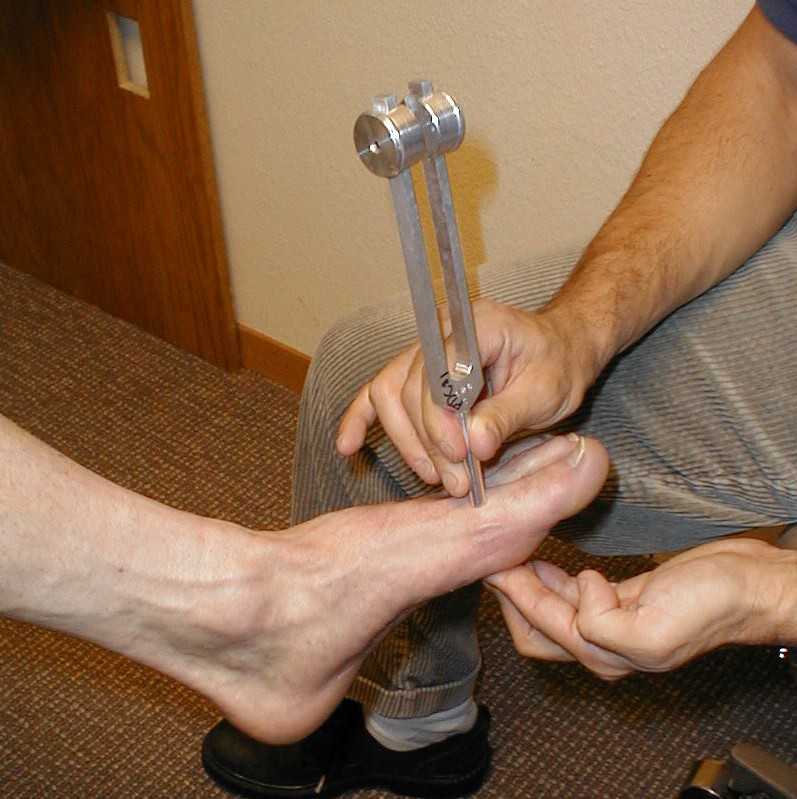
- Neuropathy assessment: sensory/motor symptoms, pin/vibration sensitivity, strength and tendon reflexes.
- Class IV laser treatment- approximately 30-40min (subject to findings)
- Nutritional supplementation recommendations
- Low level vibration treatment- approximately 8-10 min