

Our New Year Resolution: A New You
by Steve L. Gordon PT, DPT
I can’t believe that this weekend is Christmas! This time of year is very hectic and we are all running around to find presents and shop for the holiday gatherings. Another thing occupying the agenda is making New Years resolutions. Many people do not succeed in carrying them through because they are big goals which seem unfeasible. Their is a way to make this happen.
Setting up the goals in smaller attainable increments will lead to success. For example, if your big goal is to lose 30 lbs, set it up so that every month you should be able to shed 5 lbs. This way when you do lose that weight it will give you motivation to continue. If another goal is to eat healthier, than the first goal of the month is to transition to whole wheat. Each month should have a small manageable goal so that you are set up for success.
We want to wish you Happy Holidays and a very happy and healthy New Year! We always hope to exceed your expectations!
Our New Years Resolution: A New You
As we get closer to 2012, people start making new year resolutions. In our case, our new year resolution is all about you and what we can do to make 2012 a healthy and pain-free year for you.
As the premier providers of physical therapy in our community, we value your trust in us. Our goal is not only to maintain but also to improve the high standard of care you’ve experienced with us.
As part of our resolution, we are going to teach you how to live a healthy, pain-free life. Please pay close attention to this newsletter because it will help you set the stage for optimum health and wellness in the next 12 months. Your success is ours, and we are committed to your health and well-being.
Here are a few tips to help you stay injury-free in the new year:
- Consult a physical therapist to evaluate and, if necessary, improve your strength and flexibility.
- Learn the right techniques to lift heavy objects, including heavy backpacks and handbags.
- A physical fitness and injury assessment evaluation is the best thing you can do to keep yourself healthy and pain-free in 2012.
New Year Resolution Tips
Here are some ideas for new year resolutions. Please keep in mind that some of these suggestions may need to be modified depending on your individual needs.
- When lifting objects, I will use the correct technique (as instructed by my physical therapist) so that I can protect my back.
- As I perform my exercises, I will monitor my technique, breathing pattern, and range of motion during each repetition.
- I will maintain an upright posture and practice postural awareness exercises at regular intervals throughout the day.
- I will make it a habit to stretch at regular intervals while at work.
- I will follow the home exercise program provided to me by my physical therapist.
Physical Therapy and the New You.
This is the time of the year when most individuals get gym memberships and plan to start regular workouts. It’s also the time of the year when the body is least prepared for unsupervised, sudden exercise which can cause injuries.
Your physical therapist will teach you how to perform an exercise with the correct technique, breathing pattern, and range of motion. We will always answer your questions and help you exercise in a safe, progressive manner.
Don’t hesitate to contact us to ask for help with finding a routine that will work for you.
Now it’s your turn to make some new year resolutions for a healthy and pain-free year ahead!
From all of us to you and your family: We wish you a happy new year and hope you have a safe, pain-free, and injury-free year ahead in 2012.

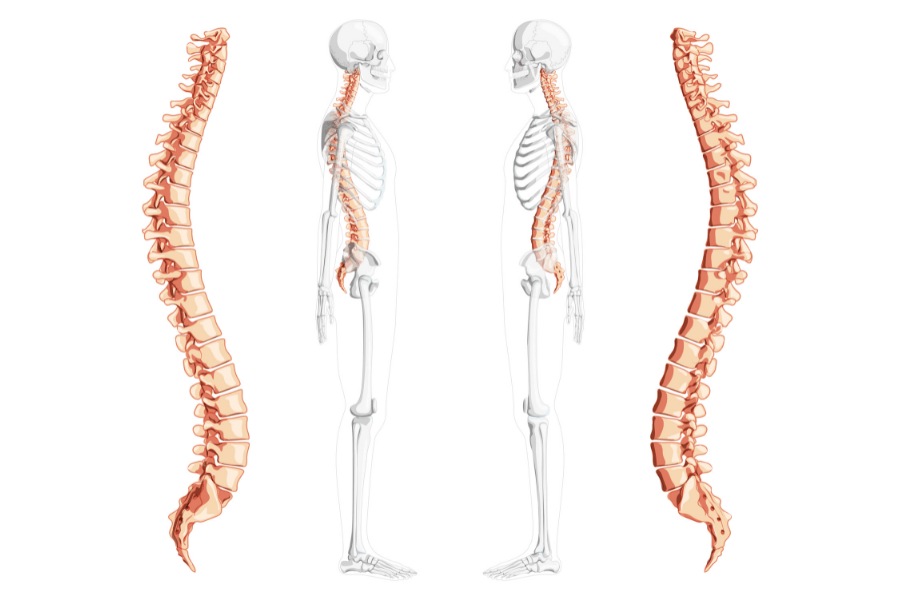
What is the Neutral Spine and Why Is It Important?
Neutral spine is the natural position of the spine when all 3 curves of the spine — cervical (neck), thoracic (middle) and lumbar (lower) — are present and in good alignment. The neutral spine position can also be thought of as the alignment in which a spine tolerates back discomfort the best. The position can vary from person to person and, in some cases, can vary over time depending on changes in the spine and the surrounding structures.
Neutral Spine Position
Although many individuals have a tolerance range, that is, variances from absolute neutral position for the least spine discomfort, depending on the nature of the spinal stress, there is generally a limited range of lumbar motion in which the patient may safely move. Patients need to become skilled at placing their lumbar spine in a single position when there are significant forces on the spine. Significant forces are:
- Prolonged positioning (e.g. sitting, standing, lying)
- Major movements of the body (e.g. getting out of bed, getting down and up from the floor)
- Movements requiring force (e.g. lifting, reaching, pushing)
The amount of muscle effort needed to maintain neutral spine depends upon the amount of force acting on that spine. Maintaining neutral spine position while standing or walking at an easy pace may take very little effort.
When properly placed sitting in neutral need not require any active abdominal contraction. Heavy work, lifting, contact sports may, at times, require maximal abdominal contraction to brace the spine. In order for neutral spine positioning in daily activities to be practical and efficient individuals must learn to use only the amount of muscle effort needed in a given situation.
Lack of flexibility in the hip, hamstring, leg and back muscles may make maintenance of the neutral spine difficult or impossible.
Neutral Spine – Proper Lifting / Lowering Techniques:
- Take a wide stance
- Use your stomach muscles
- Use smooth, even motions when lifting
- Keep load close to your body
- Use your legs to push up and lift the load
- Do not use your upper body or back to lift!
- Lift the load close to your body and straighten your legs
- Stand up straight before walking with the load
- Move your feet instead of twisting your body
- Lower the load to the ground by bending your knees, not your back
- Keep the load close to your body
- Never bend your upper body or back
- Keep your hands and feet clear
To learn more on how we can help you with Neutral Spine Safety and Lifting Techniques for you or a family member, please call one of our offices to set up an appointment today.

Temporomandibular Joint Disorder (TMD)
TMJ refers to the temporomandibular joints on either side of the jaw. Often, TMD (temporomandibular disorders), can lead to serious headaches or acute neck, ear, jaw joint and cheek pain. Depending on the causes of TMD and the symptoms you are exhibiting, an experienced physical therapist along with your Dentist can provide the treatment you need to reduce your discomfort.
What Are the Symptoms of TMD?
The symptoms associated with TMD will vary from person to person, depending on the unique causes of their discomfort. TMD symptoms can include the following:
- Ear Pain
- Sore Jaw Muscles
- Temple/Cheek Pain
- Jaw popping/clicking
- Locking of the Jaw
- Opening the Mouth Fully
- Frequent Head/Neck Aches
The pain may be sharp and searing, occurring each time you swallow, yawn, talk, or chew, or it may be dull and constant. It hurts over the joint, immediately in front of the ear, but pain can also radiate elsewhere. It often causes spasms in the adjacent muscles that are attached to the bones of the skull, face, and jaws. Then, pain can be felt at the side of the head (the temple), the cheek, the lower jaw, and the teeth.
What Are the Causes of TMD?
Cartilage wear and tear can be one of the causes of TMD. The cartilage disks that pad the TMJ become worn or displaced, causing painful grinding of the jawbone. A popping and cracking noises that occurs when the jaw is opened or closed may also indicate the possibility of a problem, and may negatively affect movement of the jaw, and cause a strain of the musculature of the jaw, face, and neck.
Clenching and Grinding
Habitual clenching and grinding of the teeth places extreme pressure and strain on the joints and is one of the most common causes of TMD. The added stress on the jaw joint can cause wear and tear of the cartilage disks, and may even cause the jaw joint to become dislocated.
Misaligned Bite
If the bite of the upper and lower teeth is not aligned properly, everyday jaw movement like chewing can take a toll on the TMJ and strain the surrounding musculature.
Arthritis
Arthritis can cause uncomfortable inflammation of the TMJ and may also result in swelling in the adjoining tissues, ligaments and muscles. Those with arthritis may experience difficulty opening and closing their mouth, as well as other painful TMD symptoms.
Physical Therapy for TMD
There are many treatments for TMD. After a thorough and complete examination and profile from your dentist and physical therapist, they can develop a proper treatment plan to help manage TMD and its resulting symptoms. Some of the physical therapy treatments for TMD include:
- Manual therapy (including various massage techniques)
- Stretching
- Exercises
- Activity modification
- Neuromuscular re-education
To learn more on how we can help you with the symptoms and discomfort of TMD for you or a family member, please give one of our offices a call today to set up an appointment.
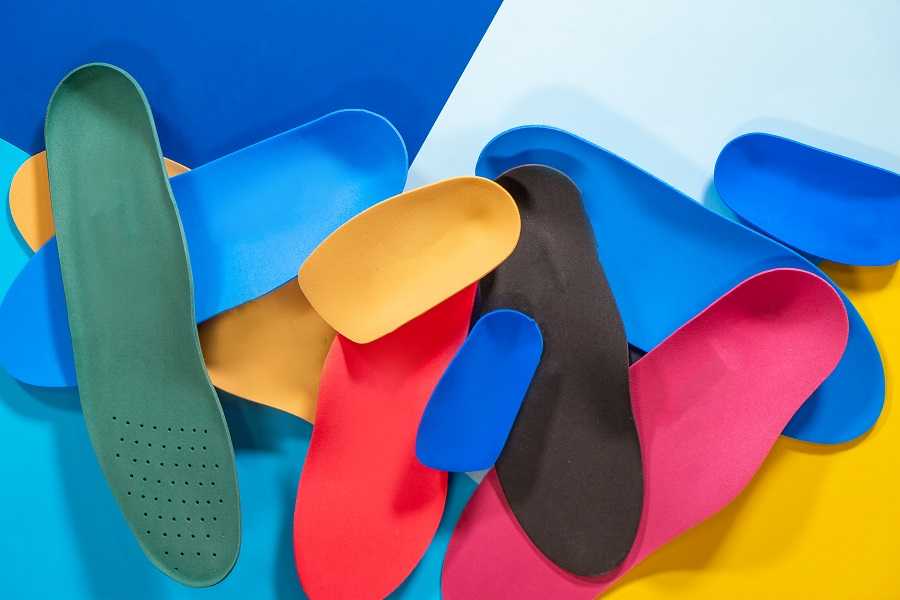
Why Orthotics?
Orthotics are orthopedic devices that are used to alter or modify foot function and are designed to treat, adjust, and support various biomechanical foot disorders. Some orthotics are simple, commercially-made devices, such as cushioned heel cups or insoles for shoes that are sold over the counter in drug stores or other retail establishments.
The most effective orthotics, however, are custom-made devices that are crafted to meet the specific needs of a particular individual. Custom orthotics are created using an impression of the foot called a cast, which duplicates any misalignment in foot structure. Using the cast and computer technology, technicians in an orthotic design center design a device that balances out deformities and corrects misalignment.
Orthotics By Foot Type
In general, foot care specialists group orthotics into the following categories:
Functional Orthotics are designed to support abnormal foot biomechanics. These devices, which often are made of supportive plastic polymer materials, prevent abnormal foot pronation (flattening of the arch) and reduce the impact load from the ground (shock absorption) while walking or running.
Functional orthotics allow the foot to become a mobile adapter and a rigid lever. They support the rear foot or subtalar joints, as well as the mid-foot or mid-tarsal joints. This support stabilizes the foot and can help prevent repetitive overuse injuries. Functional orthotics are used to correct many foot deformities.
Accommodative Orthotics typically feature a soft supportive device that is designed to relieve mild foot pain and correct minor foot problems. These devices often are used to correct biomechanical walking problems in young children.
Accommodative orthotics include splints, gait plates, and night bars (devices used to hold a child’s feet and legs at a proper angle while sleeping) that promote corrective adjustment for excessive toe-in or toe-out walking. Braces may be used in infants to correct foot, leg, or hip abnormalities (e.g., metatarsus adductus, internal or external hip rotation problems).
Who Should Use an Orthotic?
Almost anyone, from children to adults, can benefit from orthotics. Orthotics can alleviate many common foot / knee problems that cause pain and discomfort in otherwise healthy people. An analogy can be made between orthotics and eyeglasses, both devices adjust problems that can impair physical function. In both cases, a physician (e.g., eye doctor or foot care specialist) performs a complete examination and then prescribes the proper amount of correction.
Orthotic Shoes / Orthotic Insoles
- Orthotic shoes, or, better still, custom-made orthotic insoles / orthotic support, provide pain relief for pain in foot, toe pain, arch pain, heel pain, corn and calluses and other problems related to foot pain.
- Research shows that 60 to 70 percent of people have abnormally functioning feet.
- Functional problems in your feet can alter your walking pattern and cause pain throughout your body.
- If you suffer from pain in the foot, it is important that you wear proper orthotic shoes or shoes with custom orthotics / orthotic insoles.
- Do not just live with the foot pain!
- Firstly, you don’t have to. More importantly, pain in foot affects your gait – that is, your way of walking.
- And if your gait is imbalanced, it can lead to aches and pain in other parts of the body, including lower back pain, back ache, neck pain, and so on.
- But while there are a few brands of commercially available orthotic shoes, these are not custom-made to suit your feet and your gait. Remember, every one is different when it comes to orthotics and there is no such thing as “one-size fits all”!
- Moreover, the choice of fashion is very limited when you buy orthotic shoes.
Custom Orthotics
Custom foot orthotics are fabricated inserts worn inside shoes, to support and improve alignment and function of the feet. This provides cushioning and redistribution of force during ground contact, which most importantly helps to ease your pain and relieve stress from the tissues that hold you together.
To determine if custom orthotics are warranted, we will construct a comprehensive management plan after obtaining a thorough history and physical examination. This will include a structural and functional analysis of your gait, along with orthopedic testing to determine the support your feet are providing, and if orthotics can help. Customized professional orthotics can then be carefully constructed for your needs.
One important note, we can determine if you need orthotic inserts and make them the same day. You do not have to wait for your inserts, you can start feeling and walking better today.
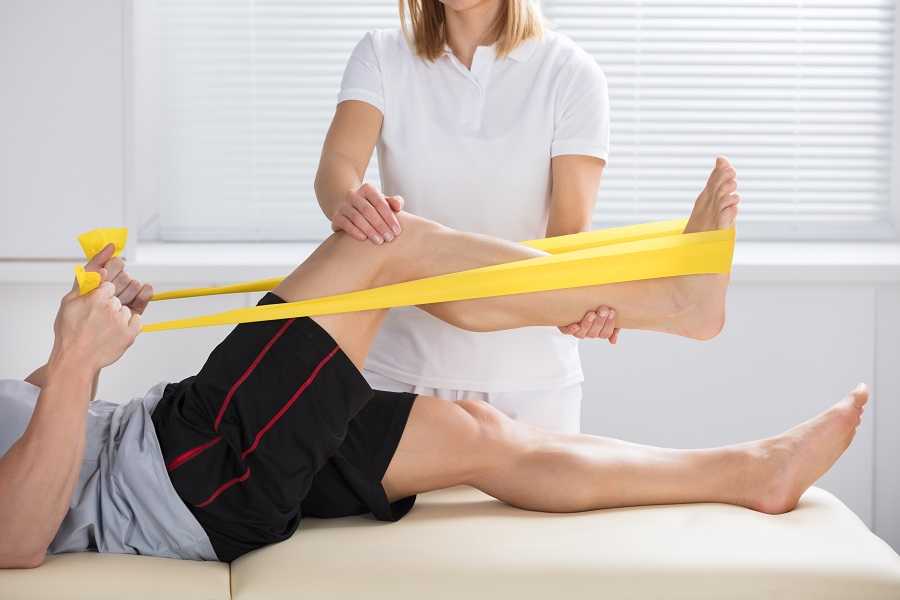
Physical Therapy
What is Physical Therapy?
Physical therapy is a health care specialty involved with evaluating, diagnosing, and treating disorders of the musculoskeletal system. The ultimate goal of physical therapy is to restore maximal functional independence to each individual patient.
To achieve this goal, physical treatment such as manual therapy, joint mobilization, education, body mechanics instruction, exercise, electro-therapeutics and special massage are utilized.
Physical therapy is provided by physical therapists, who are licensed health care professionals with a master’s or doctorate degree in physical therapy. Physical therapists evaluate, diagnose, and manage the physical therapy treatment plan, customizing it to each individual’s needs.
Physical Therapy Assistants work under the direction of physical therapists to provide treatment to patients and work towards achieving a patient’s goals.
Exercise Therapy
Exercising daily plays a crucial role in the process of healing and recovering from injury or disease. This is the goal of physical therapy exercises. Stretching and strengthening activities are only a few types of physical therapy exercises. Balance, joint control, stabilization and muscle re-training are other types of important physical therapy exercises.
Thermo-therapy
Physical therapists wrap moist hot packs in several layers of towels. They are then applied directly on the exposed area that needs treatment. The heat provided by the hot packs has several important benefits. It warms tight muscles, causing tissues to relax. This decreases pain caused by muscle tension or spasms. It also causes vasodilatation of the blood vessels which increases circulation to the area.
Patients with muscle strains, spasms, or arthritis often benefit from treatment with moist hot packs.
Cryotherapy
Cold packs are a frozen gel substance used by physical therapists to treat areas of pain and inflammation. The cold packs are wrapped in a wet towel and applied directly to the area in need of treatment. The cold transferred to the patient’s skin, muscle, and tissue has several beneficial effects. The cold temperature causes vasoconstriction of the blood vessels in the area.
After about 10 minutes of application the blood vessels dilate, known as the Hunting Response. This decreases the inflammation in the area. Management with cold or ice is the first line of treatment in acute injury.
Electro-therapeutics
Electrical stimulation uses an electrical current to make a change in the body. In physical therapy, electricity may be used to reduce muscle spasms, reduce pain, stimulate the strength of a muscle contraction, deliver medication through the skin, or reduce swelling.
For example, to improve muscle strength electrodes are placed on the skin in various locations known by the physical therapist that will recruit the appropriate muscle fibers. Assisted contraction of the muscles via electrical stimulation help strengthen a weak muscle.
The physical therapist can change the current setting to allow for a forceful or gentle muscle contraction. Along with increasing muscle strength, the contraction of the muscle also promotes blood supply to the area that assists in healing.
Soft and Deep Tissue Mobilization
This is a scientific method of manipulating the soft tissues of the body to have a specific effect. Its objective is the restoration of function, release of tension and the reestablishment of the contours where this is desirable.
When is Physical Therapy Necessary?
Physical therapy is needed for individuals who have experienced a reduction in their ability to interact with their environment (function) whether it be due to an illness, disease, injury, accident or surgery. If a person has a sudden or gradually difficulty with performing activities of daily living, work, or sports then physical therapy may be required. If pain limits a person’s ability to function, then physical therapy may be required.
Physical therapy may be ordered by a physician when a course of treatment would be beneficial. In many states, like New Hampshire, Direct Access is available. This means no referral is needed to see a physical therapist.
Therapists today are trained to determine a person’s need for treatment or referral to another specialist. Treatment is offered to a wide variety of patients including newborn babies, children, adults, and geriatrics.
Physical therapy’s goal is to restore a person’s function and is useful in treating many different medical disorders, injuries, neurological and muscular illnesses. Cardiopulmonary diseases are only a few pathological conditions which physical therapy plays a treatment role in.
Through patient and therapist interaction, physical therapy can help restore movement and function thus helping patients return to their prior level of independence.
Are You Ready To Feel Your Best?
If you are ready to feel your best, contact one of our 7 convenient locations to get started with your care: Click Here for a location near you.